The Art of Breath and Bloom: Understanding Floral Anatomical Lungs with Heart Designs
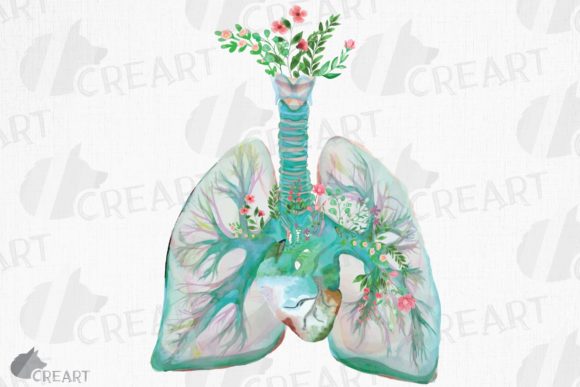
In the intersection of medical science and botanical beauty, a unique artistic trend has emerged that captivates both healthcare professionals and art enthusiasts alike. Floral anatomical lungs with heart art represents more than just a visual aesthetic; it is a symbolic fusion of life’s most vital organs with the delicate resilience of nature. This style of floral human anatomy gift art has become a cornerstone in modern medical home and wall decor, offering a sophisticated way to celebrate the human body’s complexity while embracing the organic elegance of flowers.
For students, practitioners, and anyone fascinated by biology, these designs serve as a powerful reminder of the fragility and strength inherent in our physiology. By integrating blooming roses, ferns, and vines into the intricate structures of the bronchial tubes and cardiac chambers, artists create a narrative that breathes life into static anatomy charts. This article explores the significance of this design choice, its practical applications in creative projects, and why it has become a preferred gift idea for medic students and seasoned doctors alike.
The Symbolism Behind Botanical Anatomy
To truly appreciate floral anatomical lungs with heart graphic design, one must understand the symbolism embedded within the imagery. The lungs represent breath, voice, and the essential exchange of energy with the world around us. The heart symbolizes emotion, circulation, and the rhythmic pulse of life. When these organs are depicted using floral elements, the artwork suggests that life is not merely a mechanical process but a blooming, growing experience.
This artistic approach helps demystify medical imagery, which can often appear sterile or intimidating. By softening the clinical edges of anatomy with petals and leaves, the design becomes approachable and emotionally resonant. It bridges the gap between the scientific study of the body and the poetic appreciation of nature. For medical professionals who spend their days dealing with the harsh realities of illness and injury, this art serves as a gentle affirmation of healing and growth. It transforms a standard anatomical diagram into a piece of medical printable decor that inspires calm and reflection.
Why This Art Resonates with Medical Professionals
The appeal of this genre extends beyond mere aesthetics. For a medic student, receiving a gift that acknowledges their rigorous study while celebrating the beauty of their chosen field can be deeply meaningful. It validates their hard work and passion. Unlike generic stethoscope-themed merchandise, floral anatomy art offers a nuanced perspective that aligns with the holistic view many modern healthcare providers strive to maintain.
Furthermore, this art fits seamlessly into various professional environments. A framed print in a doctor’s office or a nurse’s station can act as a conversation starter, easing patient anxiety through its soothing natural motifs. It demonstrates that medicine is not just about fixing broken parts but about nurturing life. This dual focus on science and nature makes it an ideal choice for doctor nurse gift occasions, such as graduation, retirement, or National Nurses Week.
Versatility in Creative Applications
One of the most compelling aspects of purchasing high-quality digital assets like floral anatomical lungs with heart designs is their immense versatility. Because these files are often provided in multiple formats, they can be adapted for a wide array of personal and commercial projects. Whether you are a DIY enthusiast, a small business owner, or a professional designer, the ability to manipulate these graphics opens up endless creative possibilities.
Consider the potential for sublimation and scrapbooking projects. With the right files, you can transfer these intricate designs onto mugs, tumblers, and clothing. Imagine a water bottle adorned with a vibrant, floral-infused lung design, serving as a daily reminder to breathe deeply and stay hydrated. Or picture a custom t-shirt for a medical conference that stands out from the crowd with its elegant, nature-inspired anatomy. These items are not only functional but also serve as wearable art that expresses identity and profession.
- Invitations and Cards: Use the transparent PNG files to overlay the design on wedding invitations for couples who met in medical school, or on thank-you cards for healthcare workers.
- Web Design: Incorporate the vector elements into websites for holistic health practitioners, yoga studios, or medical blogs to add a touch of organic sophistication.
- Stickers and Labels: Create custom stickers for laptops, water bottles, or product packaging for small businesses selling wellness products.
- Home Decor: Print high-resolution JPGs for framed wall art in living rooms, studies, or clinics.
Technical Advantages of Vector and Layered Files
When selecting digital art for such diverse applications, the file format is crucial. High-quality packages typically include a variety of formats to ensure compatibility with different software and printing methods. For instance, SVG files and Ai file vector formats are essential for scalability. Vector objects can be resized without any quality loss, meaning you can enlarge the design to cover a entire wall mural or shrink it down to a tiny lapel pin without pixelation or blurriness.
Additionally, the ability to change colors is a significant benefit. While the default might be a soft pastel palette, you might need a monochrome version for a black-and-white newspaper ad or a bold, high-contrast version for a dark-themed website. With Photoshop files with layered elements, users can isolate specific parts of the anatomy—such as just the heart or just the lungs—and adjust hues, saturation, and brightness to match their brand identity or personal preference. This level of customization ensures that the art remains relevant across different contexts and media.
For those using cutting machines like Cricut or Silhouette, the SVG file is indispensable. It allows for precise cutting of vinyl decals for car windows, mirrors, or glass doors. Meanwhile, the Corel Draw compatible EPS file ensures that users of older or alternative design software can still access the vector data. The inclusion of a PDF file provides a quick-preview option and is often ready for direct printing at standard print shops without further editing.
Practical Guide to Using Medical Printable Decor
If you are new to working with digital design files, the process might seem daunting. However, with the right resources, utilizing medical printable decor is straightforward. Start by identifying the end product. If you are making a physical item like a mug, you will likely use the high-resolution PNG with a transparent background. This allows you to place the clip art on any color surface without a white box surrounding it. Ensure your printer or sublimation service supports high DPI (dots per inch) to maintain the crispness of the floral details.
For digital projects, such as social media posts or web banners, the JPG or PNG files are usually sufficient. However, if you plan to edit the design significantly, open the PSD (Photoshop) or AI (Illustrator) file. Here, you can separate the flowers from the anatomical structures, perhaps replacing the roses with lilies or changing the lung tissue to a different shade of blue. This flexibility is what distinguishes premium digital assets from static images found on free stock sites.
It is also important to note that professional-grade purchases typically come with clean files. As stated in many product descriptions, no logo and paper texture will appear on purchased items. This ensures that your final product looks polished and professional, free from watermarks or distracting background noise. This attention to detail is critical when creating promotion materials or gifts that need to convey a sense of quality and care.
Building a Broader Understanding of Anatomical Art
Embracing floral human anatomy gift art is about more than decoration; it is about cultivating a deeper appreciation for the human body. In an era where technology often distances us from our physical selves, these designs reconnect us with the organic reality of our existence. They remind us that we are part of nature, subject to its cycles of growth, decay, and renewal.
Whether you are a student looking for a unique study aid, a teacher seeking engaging classroom visuals, or a friend searching for the perfect gift idea for medic student, these designs offer a blend of education and emotion. They transform the clinical into the beautiful, making complex biological concepts accessible and aesthetically pleasing. By integrating these elements into your daily environment—through floral wall decor, custom apparel, or digital media—you contribute to a culture that values both scientific knowledge and artistic expression.
In conclusion, the trend of combining floral elements with anatomical accuracy is a testament to the enduring power of art to interpret science. It provides a versatile, meaningful, and visually stunning resource for anyone involved in the medical field or anyone who simply appreciates the intricate beauty of life. With the right digital files, the possibilities for creation are limited only by imagination, allowing everyone to participate in this blooming revolution of medical art.